
Preparing a commercial property for the market is one of the most important phases in the entire transaction. The right preparation can strengthen buyer interest, shorten the listing period, and materially improve your final sale price. At Jones Aur Commercial Real Estate,we help owners in Memphis and Little Rock take a deliberate, strategic approach to selling, because the work you do before the sign goes up can have the greatest impact on what happens after. Whether you’re selling an office building, industrial facility, or retail asset, the process begins with understanding what buyers look for, how the market is moving, and what steps will make your property stand out.
A smart first move is making sure you understand current market conditions, including how demand is shifting across different sectors. Tools like the Federal Reserve’s Beige Book, which summarizes economic conditions by region, provide helpful context for where commercial activity is heading:
Property Condition & First Impressions
Start With a Thorough Site Assessment
A comprehensive evaluation of the building and grounds is often the best place to begin. Buyers want a clear picture of the property’s condition, and even small issues can raise questions about deferred maintenance. Walking the site with a professional — an inspector, contractor, or property manager — provides a reality check on what needs attention now versus what can be disclosed and priced accordingly. Many owners are surprised by how much perceived value can be gained by addressing minor repairs early.
Enhancing Curb Appeal
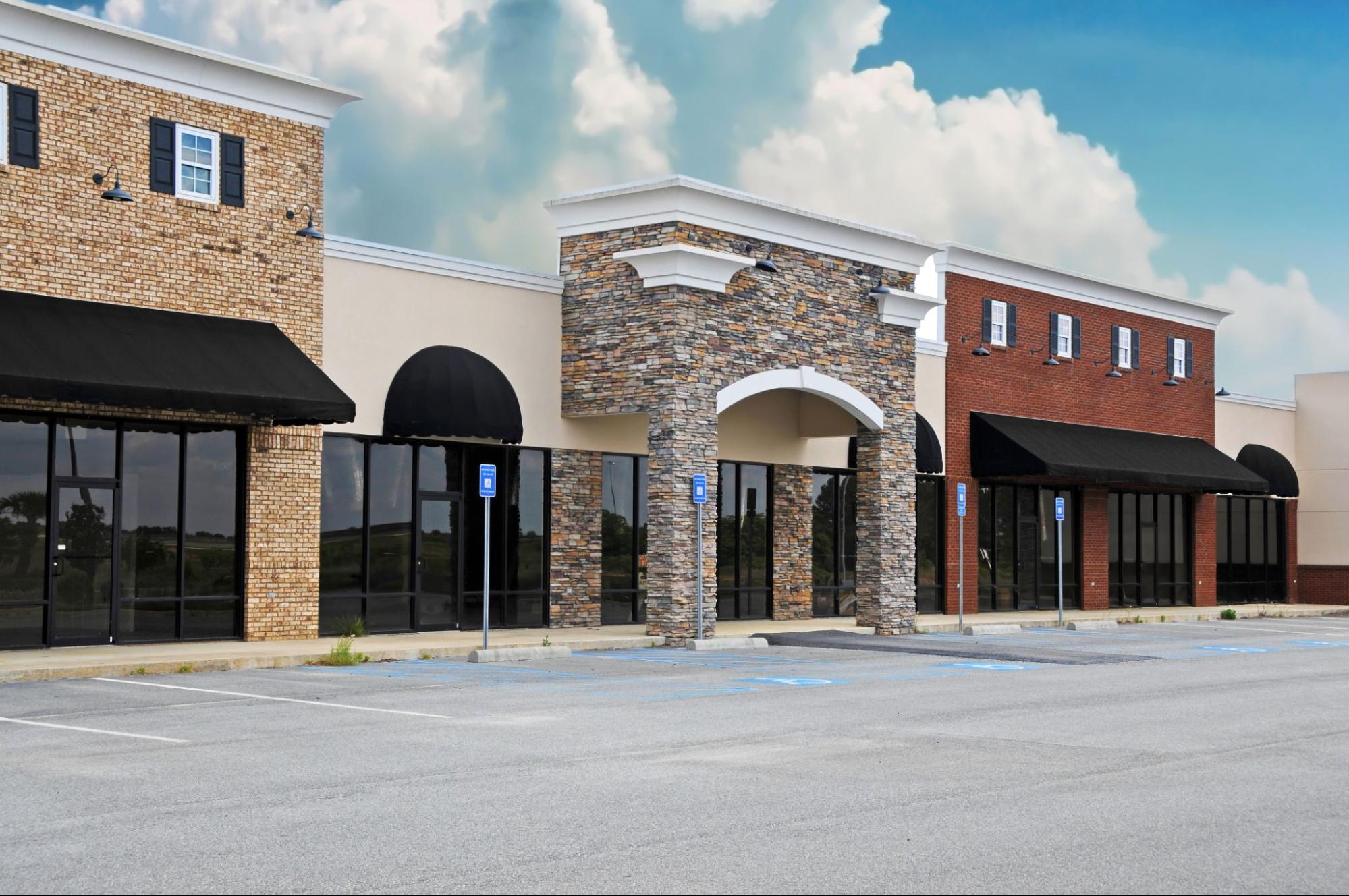
First impressions matter as much in commercial real estate as they do in residential. A clean façade, fresh paint, updated signage, and well-maintained landscaping all signal operational care. These visual cues help buyers trust that the interior and mechanical systems have been managed with equal diligence. Even simple improvements like pressure washing, removing old branding, or refreshing exterior lighting can shift how a buyer perceives the asset.
A few high-impact, low-cost upgrades may include:
- Re-striping the parking lot
- Replacing worn entry mats or outdated lobby fixtures
- Touching up trim, doors, and railings
Documenting Improvements & Maintenance
A neatly organized record of repairs, service contracts, and ongoing maintenance reinforces the property’s stability and long-term performance. Buyers appreciate transparency, and thorough documentation removes uncertainty. This is especially important for properties with aging mechanical systems or specialized equipment.
Financial Readiness & Buyer Due Diligence Prep
Reviewing Income & Expense History
Before listing, owners should ensure their financial statements tell a clear and consistent story. Buyers will want to understand revenue, operating expenses, CAM charges, and historical occupancy. Cleaning up inconsistencies and clarifying unusual line items reduces friction later in negotiations. The smoother due diligence feels, the more confidence buyers bring to the table.
Stabilizing Rent Rolls & Tenant Communication
For leased properties, a stable rent roll is a major value driver. If renewals are coming up soon, exploring extensions where appropriate can give buyers more certainty. Clear communication with tenants also prevents misunderstandings during the marketing period and helps maintain smooth transitions once the property closes.
Helpful financial preparation steps:
- Assemble the past 2–3 years of operating statements
- Update lease abstracts and note upcoming expirations
- Prepare CAM reconciliations and utility histories
Anticipating Buyer Requests
Buyers typically request environmental reports, surveys, equipment lists, zoning details, and copies of all active service agreements. Gathering these items early avoids delays and positions you as an organized, motivated seller. When documents are readily available, buyers interpret it as a sign of professionalism and lower risk.
Market Positioning & Strategic Pricing
Understanding Market Momentum
Commercial buyers evaluate more than the property itself; they evaluate the market it’s in. Memphis and Little Rock each experience sector-specific momentum — industrial absorption, retail repositioning, medical office expansion — and your pricing strategy should reflect where similar properties are trending. Our team monitors these cycles closely so your listing enters the market at the right moment, not just the right price
Creating a Strong Marketing Narrative
The story you tell about your property matters. Buyers are not just purchasing square footage; they’re buying opportunities. Highlighting unique strengths — tenant stability, proximity to major corridors, recent capital improvements — creates a narrative that resonates with the right audience. High-quality photography, clear floor plans, and marketing materials that articulate value help set your listing apart.
Setting a Price That Reflects Value & Momentum
Strategic pricing means being competitive without leaving value on the table. Data-driven pricing supported by comps, sector-specific absorption rates, and broader market analytics creates a confident first impression. Markets reward properties that come out of the gate with clarity, and a smart pricing approach helps maximize traction early in the listing cycle.

Ready to List With Confidence?
Selling a commercial property is a major decision, and the right preparation can make all the difference in your final outcome. At Jones Aur Commercial Real Estate, we help owners across Memphis and Little Rock position their assets for maximum visibility, stronger buyer interest, and smoother negotiations. Whether you’re preparing your first property for sale or optimizing a portfolio asset, our team provides the strategic guidance, market insight, and hands-on support that keep the process moving forward.
If you’re ready to take the next step, connect with our team today.We’ll walk the property with you, review market conditions, and build a selling strategy that reflects both your goals and the realities of the market. Your next move starts with a conversation, and we’re here when you’re ready.